











 A personal injury case refers to a legal dispute that results when an individual suffers harm or sustains an injury from an accident that someone else may be legally responsible for. Such cases are often caused by the carelessness or negligence of another. In some instances, multiple parties may be responsible, and so the victim may choose to sue all involved parties to recover the full amount of both economic and non-economic compensation needed for his or her injuries.
Chicago accident attorneys focus on the personal injury law related to the injuries caused to individuals first and focus on damaged property second. An experienced personal injury attorney can handle a wide variety of serious injury cases and can help you obtain compensation for damages such as medical expenses, lost wages, emotional distress, pain and suffering, loss of consortium or companionship, and wrongful death.
Call our Chicago Personal Injury Lawyers Today: (312) 957-4166
 Auto accidents are among the leading causes of death in the United States, resulting in tens of thousands of fatalities each year and serious injuries in the hundreds of thousands. Rollovers, head-on collisions, rear-end collisions, and T-bone car wrecks can lead to life-changing injuries such as loss of limbs, spinal cord injuries, traumatic brain damage, and severe burns.
Though a car accident can be caused by many different things, a Chicago accident lawyer is most interested in cases where negligence is to blame.
Some examples of auto accident causes include speeding, texting while driving, driving under the influence of alcohol or drugs, or running a red light. A knowledgeable car accident attorney can represent you if you have suffered permanent disability, incurred lost wages, or suffered other harmful consequences.
Call our Chicago Car Accident Lawyers Today: (312) 957-4166
 When a passenger vehicle is involved in an accident with a massive truck, the damage can be catastrophic or even fatal due to the truck’s weight and size. Many factors can cause truck accidents to occur, such as truck driver fatigue, driver recklessness, driver inattentiveness, lack of driver training, following another vehicle too closely, speeding, unsecured cargo, poor truck maintenance, manufacturing defects, poor weather, or inclement road conditions.
Truck wrecks can be complex in nature as they often involve numerous parties. Such negligent parties could include truck drivers, trucking companies, and even logistics companies. A qualified semi-truck accident attorney can examine the scene of the accident, police reports, driver’s logs, and all other materials that can help identify the negligent party or parties and ultimately help you recover full compensation. Call our 18-wheeler accident lawyers today.
Call our Chicago Truck Accident Lawyers Today: (312) 957-4166
 Motorcycle accidents that happen all too often on U.S. roads and highways are often a result of negligent and careless drivers who do not recognize the road rights and privileges of motorcyclists. Some causes of this type of accident are speeding, distracted driving, failure to yield, driving while fatigued, road defects, or driving under the influence of drugs or alcohol.
Motorcycle accidents can cause serious to life-threatening injuries including traumatic brain injury, fractures, road rash, scarring, and disfigurement. By seeking legal representation from an experienced motorcycle accident lawyer, however, you may be able to obtain full and fair financial compensation for damages such as medical bills, pain & suffering, emotional distress, lost wages, and reduced earning capacity.
Call our Chicago Motorcycle Accident Lawyers Today: (312) 957-4166
 When an accident with a motor vehicle and a bicycle takes place, disaster is likely to result—particularly for the rider who is more likely to sustain serious and even fatal injuries. Bicyclists can suffer injuries such as head trauma, broken bones, spinal cord injuries, paralysis, internal injuries, damaged limbs, and road rash. The most common cause of bicycle accidents is the motor vehicle driver’s carelessness or negligence. Sadly, these accidents are often deemed minor incidents, and so local officials discount the cyclist’s side of the story.
A Chicago accident attorney knows that the negligent driver may be held legally liable for your accident-related costs.
If you are a victim of a bicycle accident, seek legal representation from a reliable Chicago accident lawyer who can ensure your rights are protected and who can help you obtain the best results possible.
Call our Chicago Bicycle Accident Lawyers Today: (312) 957-4166
 With thousands of workers either sustaining serious injuries or being killed in construction accidents each year, it is no wonder that jobs in the industry are among the most dangerous in the country. Even with strict safety regulations and standards in place, construction workers must face high risks of injury every single day from accidents such as falling materials, excavation accidents, lifting injuries, scaffolding accidents, cutting and welding accidents, ladder accidents, machinery and heavy equipment accidents, explosions, and exposure to toxic materials. As a result, workers sustain injuries such as fractured or broken bones, spinal cord injuries, traumatic brain injury, electrocution, burn injuries, and wrongful death.
A Chicago personal injury attorney will tell you construction accident claims require a thorough and immediate investigation of the accident site, as well as witness statements, medical records, and other factors. A competent construction accident attorney will take the steps necessary to protect your legal rights and help you obtain the maximum recovery possible.
Call our Chicago Construction Accident Lawyers Today: (312) 957-4166
 No matter how friendly a dog may be, it is important to remember that any dog breed can attack a human. Hundreds of thousands of victims are brought to the hospital each year due to dog bites—though thankfully most injuries from this type of accident are not fatal.
Some of the more serious consequences of dog bites include nerve and tissue damage, permanent disfiguration, scarring, emotional and psychological trauma, and post-traumatic stress disorder. In some instances, a victim may need reconstructive surgery and physical rehabilitation.
Some dog bite victims are hesitant to call a Chicago personal injury lawyer to discuss taking legal action if they know the dog owner personally, not knowing that it is typically the owner’s insurance carrier that pays for the settlement as opposed to the dog owner.
Our Chicago dog bite attorney is familiar with how insurance companies assess such incidents and can do whatever is needed to maximize the value of your case.
Call our Chicago Dog Bite Lawyers Today: (312) 957-4166
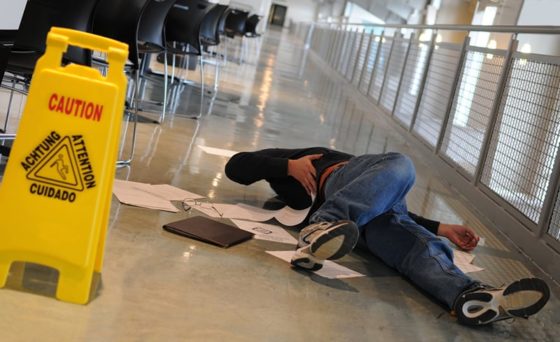 Property owners have a duty to ensure the safety of all their guests and visitors and must therefore keep their premises in a reasonably safe condition. This includes fixing dangers or warning visitors of slippery floors, uneven surfaces, and icy walkways. Liability may also extend to dog bites, elevator or escalator accidents, accidents due to insufficient security, poor lighting, or poor ventilation.
As such, you have the right to expect that the public properties or private properties you are invited to are well-maintained and safe. However, premises liability cases happen all too often, sometimes resulting in serious injuries such as head injuries, broken bones, neck injuries, spinal cord injuries, burns, and electrical shock. In such an instance, premises liability laws state that property owners are to be held accountable for any individuals harmed on their property.
It would be most advantageous to seek help from a skilled premises liability attorney who can look into your case and help you receive compensation for your injuries.
Call our Chicago Premises Liability Lawyers Today: (312) 957-4166
 Assisted living facilities and nursing homes are meant to be safe havens for the elderly—a place where they can be given quality short-term or long-term care, protected from all types of harm, and treated with utmost dignity. Unfortunately, all too many nursing homes are focused on earning a profit as opposed to providing the quality of care required by their patients. As a result, nursing home patients suffer from serious illnesses or injuries due to their caregivers’ negligent actions.
Common signs of nursing home abuse are bedsores or pressure sores, medication errors and infections, improper wound care, unexplained bruising, dehydration, malnutrition, falls, dislocations, broken bones, and unsanitary living conditions. Nursing home patients may also be victims of physical, emotional, verbal, mental, sexual, and financial abuse.
Cases of nursing home abuse may be complicated and lengthy, and it would be in your best interests to consult with a qualified Chicago nursing home abuse attorney if you have reason to suspect nursing home abuse.
Call our Chicago Nursing Home Abuse Lawyers Today: (312) 957-4166
 As a consumer, you have the right to assume that each product you purchase is safe and that it will function as it is intended to. However, thousands of individuals are injured from dangerous or defective products every year, including automobiles, toys, sporting goods, prescription drugs, medical devices, household appliances, machinery and workplace equipment, and so much more.
Not all consumers are aware that both local and federal laws are in place to protect consumers from such dangers. Whether you have sustained a personal injury due to a badly designed product, a manufacturing error, or a product that lacked proper warnings or instructions, you may be eligible to obtain compensation for your damages and injuries with the help of a good Chicago accident attorney.
An experienced product liability attorney will be able to help prove the negligence of the other party or parties and help you determine the best course of action to take.
Call our Chicago Defective Product Lawyers Today: (312) 957-4166
 As a patient, you place your life into the able hands of medical professionals and healthcare facilities, rightfully expecting to be provided a certain standard of care. In some instances, however, the negligence or error of a medical professional may cause your condition to worsen or result in additional injuries.
Medical malpractice refers to actions where a doctor, nurse, hospital, or other healthcare providers, facility, or professional causes harm, injury, or death to a patient because of an act of omission or a negligent act.
This type of personal injury may take the form of errors in diagnosis, treatment, health management, medication dosage, or aftercare of a specific illness. Common examples include misdiagnosis or delayed diagnosis, surgery errors, failure to properly administer medications, and negligent prenatal care. A proficient medical malpractice attorney can help determine whether your situation is in fact is a case and can help you recover ample financial compensation for your damages.
Call our Chicago Medical Malpractice Lawyers Today: (312) 957-4166

The process of pregnancy and giving birth can be extremely challenging, particularly since there are numerous things that can go wrong. Sometimes, a baby is born with a life-altering condition that health providers had nothing to do with. Other times, however, a birth injury may result from a poor decision made by a health care provider during delivery.
Often, birth injuries cause mental or physical life-long disabilities, and can greatly affect the families who must care for the child. Call an experienced Chicago birth injury lawyer today for a free consultation.
Call our Chicago Child Birth Injury Lawyers Today: (312) 957-4166
Brachial Plexus | Cerebral Palsy | Infant Brain Injury | Caregiver Negligence